
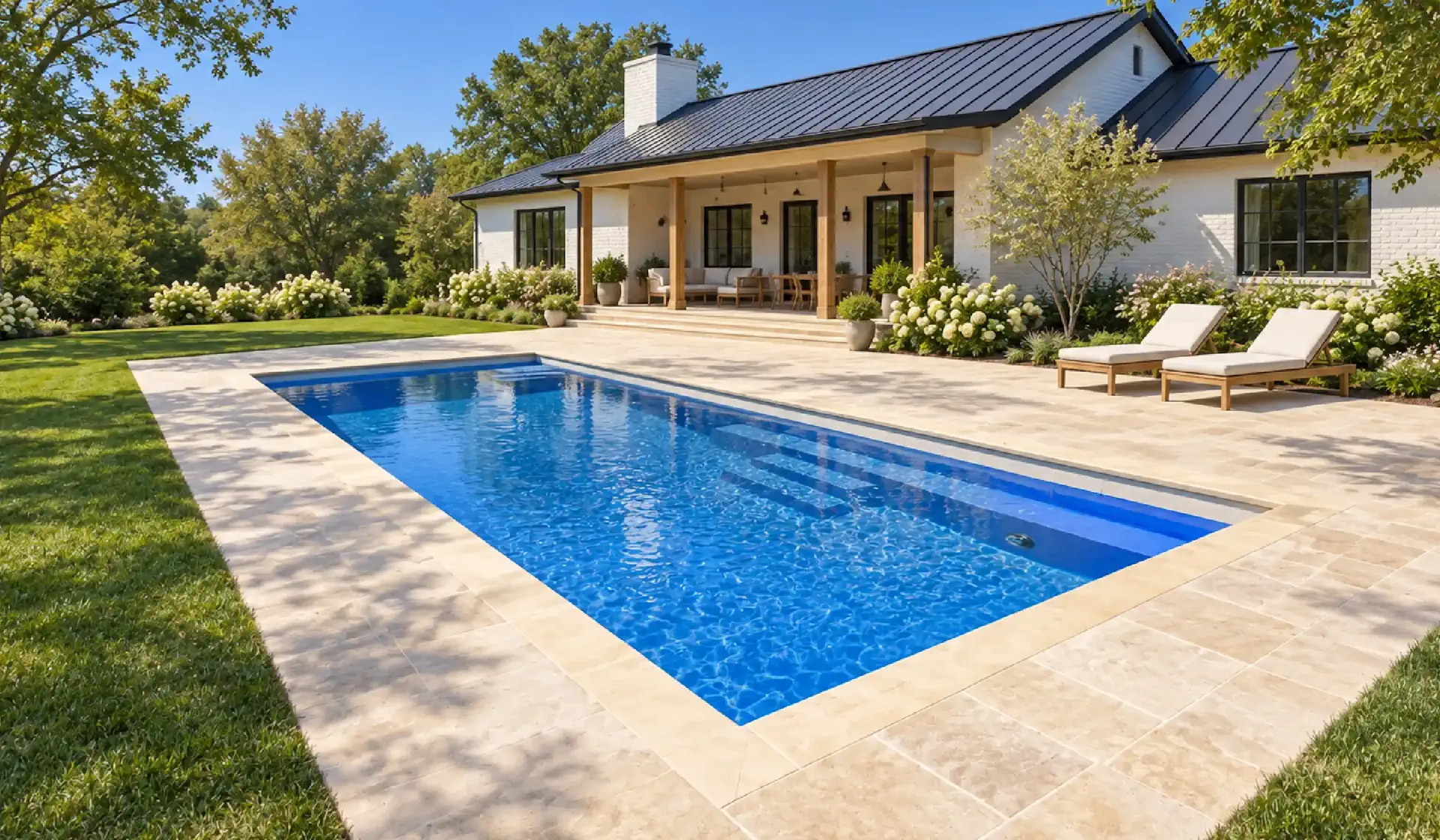
fiberglass pools in illinois: what prairie state homeowners need to know before they build
Illinois summers make the wait worthwhile. Chicago’s lakefront energy when warm weather finally settles in and the whole city seems to come alive at once. The collar county communities where families build outdoor spaces that carry the season’s entire social calendar. Central Illinois towns where the flat prairie landscape opens up and backyards become the center of everything from Memorial Day through Labor Day. Southern Illinois with its rolling hills and longer warm season than people expect. Quality fiberglass pools like those made by EvoPools are built for Illinois living — engineered with vinyl ester resin throughout to handle what the Prairie State’s four genuine seasons actually deliver, from demanding clay soil to Lake Michigan winters and every humid summer in between.
Pools in Illinois are an investment in the months that matter most. When summer finally arrives after a real Midwest winter and the season feels both precious and limited, having your own backyard pool changes how your family uses every warm week available.
If you’re weighing your options for a first pool or thinking about replacing a concrete installation that’s given you more problems than pleasure, this guide covers what Illinois homeowners need to know about fiberglass pools built to perform in the Prairie State.
what makes illinois a challenging environment for pools?
Illinois four-season climate creates specific demands that separate good pool construction from great pool construction over years of ownership.
Clay soil throughout much of Illinois, particularly dense and prevalent in the northwest and common across central regions, expands dramatically when saturated with spring moisture and contracts substantially during summer drought. This persistent ground movement creates stress on rigid structures that compounds quietly with each passing season. Lake Michigan’s influence on northern Illinois and the Chicago metro brings moisture patterns and temperature variations that concrete handles poorly over time. Winters deliver genuine cold with extended freeze-thaw cycles that challenge structural integrity repeatedly. Summers bring heat and humidity that promote algae growth in any porous pool surface that gives it a foothold.
EvoPools construction uses vinyl ester resin throughout the entire shell, creating a composite structure that addresses these Illinois-specific challenges directly.
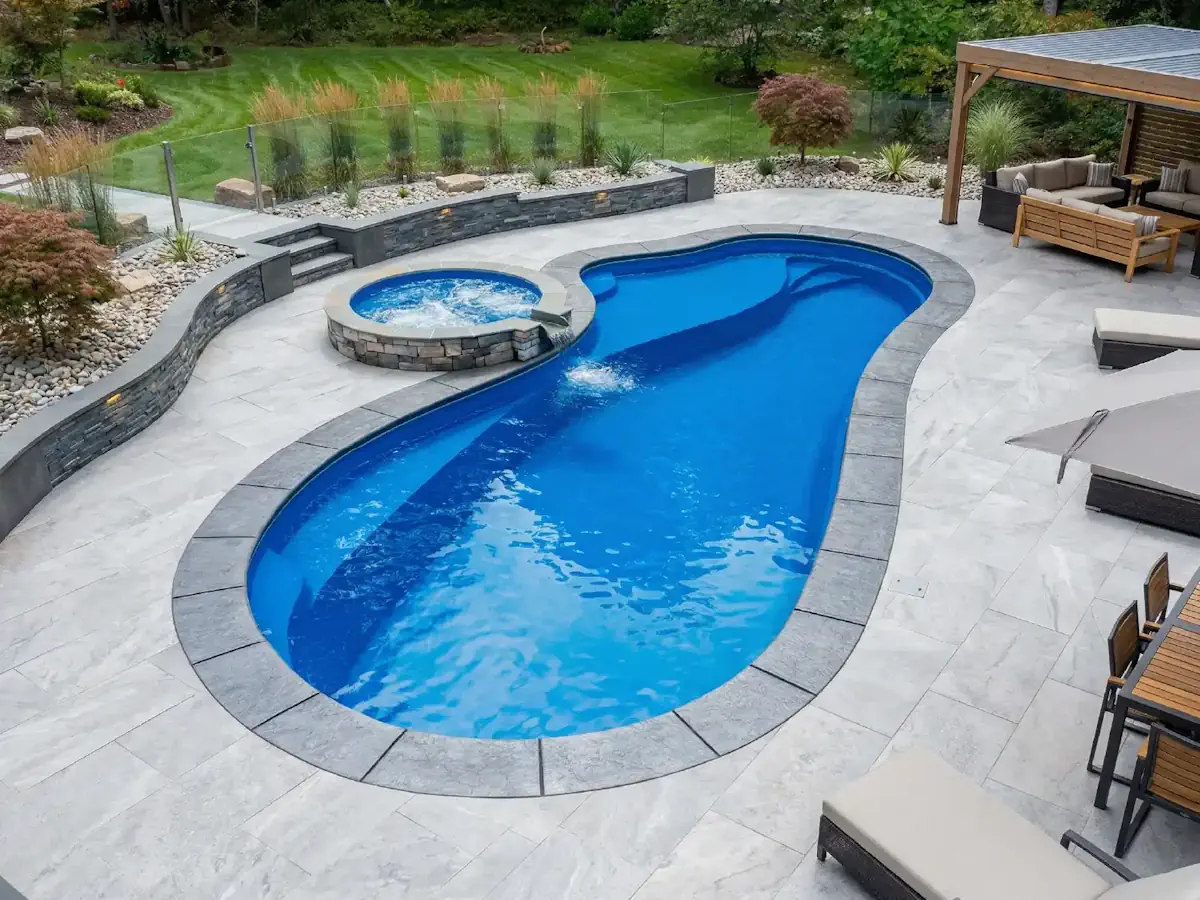
how does fiberglass handle illinois clay soil and freeze-thaw cycles?
These are the two questions Illinois homeowners ask most consistently, and both deserve a straightforward answer.
Clay soil throughout much of Illinois swells when wet and contracts when dry, creating persistent ground movement that rigid concrete structures resist and eventually fracture under. Stress cracks develop progressively, with each season’s movement making existing damage worse. By the time cracking becomes visible it has typically been building for years beneath the surface.
EvoPools’ vinyl ester resin construction throughout the entire shell creates a composite that flexes intelligently with soil movement rather than fighting it. When Illinois clay expands through spring rains and contracts through summer heat, the pool adapts without accumulating stress. When freeze-thaw cycles repeat through genuine Illinois winters, the structure maintains integrity without the progressive damage that compounds in concrete pools season after season.
The one-piece shell design eliminates seams that could separate under ground pressure from shifting soil. One solid structure handling Illinois demands reliably year after year.
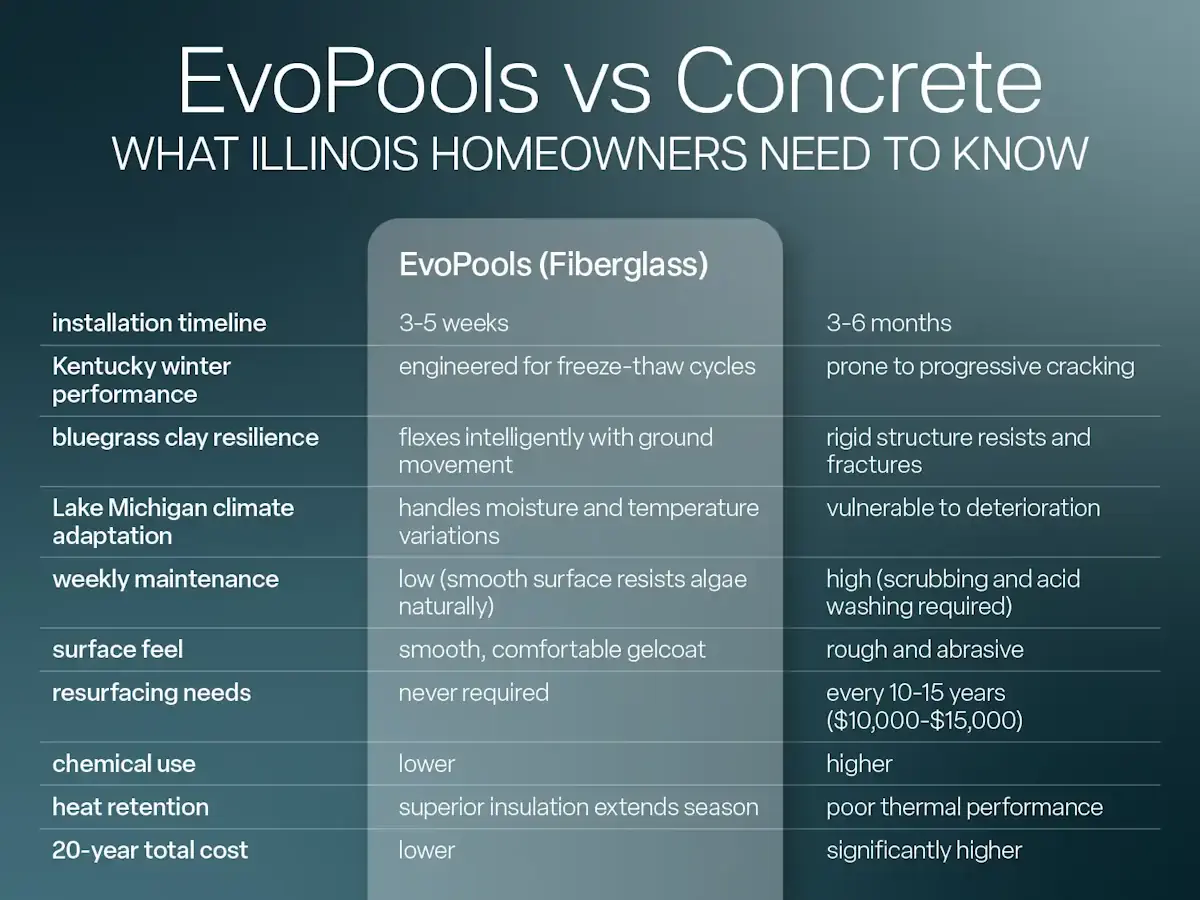
The bottom line: In Kentucky’s four-season climate with genuine winters, bluegrass clay soil and humid summers, fiberglass pools deliver better performance, lower lifetime costs and easier maintenance than concrete.
how does illinois’ climate affect pool performance throughout the year?
Illinois doesn’t make things easy on outdoor structures, and pools are no exception to that reality.
Winters deliver extended cold with repeated freeze-thaw cycles that work on any vulnerability in a pool structure. Concrete pools absorb moisture through their porous surfaces, which freezes, expands and creates internal damage that worsens with each passing season. Fiberglass construction doesn’t absorb moisture in the same way, handling Illinois winters without accumulating the progressive structural damage that eventually shows up as visible cracking in concrete pools.
Summer heat and humidity create ideal conditions for algae in any porous surface. Concrete’s rough texture becomes a year-round algae management challenge requiring chemical intervention and manual scrubbing throughout Illinois’ extended warm months. EvoPools’ smooth, non-porous surface resists algae growth naturally, keeping your water cleaner with considerably less effort.
Lake Erie’s (and more relevant here, Lake Michigan’s) influence on northern Illinois and the greater Chicago area creates distinct moisture patterns and temperature variations that concrete pools handle poorly over time. The sealed composite structure manages these conditions reliably through every season.
Clay soil adds stress year-round, not just in winter. Summer droughts cause the same soil contraction that spring rains reverse, meaning the ground is almost always in some state of movement. Concrete resists that movement and eventually fractures under it.
how long is the swimming season in illinois?
Illinois’ swimming season is real but defined, which makes every week of it count.
Most Illinois homeowners enjoy comfortable pool weather from Memorial Day through Labor Day, with some extending into mid-September with modest heating. Chicago and the northern collar counties align closely with that window. Central Illinois follows a similar pattern. Southern Illinois runs slightly longer with its warmer microclimate and proximity to Missouri and Kentucky temperatures.
Because the season is limited, losing weeks of it to construction delays is genuinely frustrating. Fiberglass installation completes in three to five weeks. Concrete installation routinely takes three to six months, and Illinois’ spring clay soil conditions and unpredictable weather can push that further.
Plan in fall, install in early spring and you’re ready for the full Illinois summer. Choose concrete and you may spend the best weeks of the season managing a construction site.
what does fiberglass pool installation look like in illinois?
Illinois’ spring weather and clay soil create real installation considerations that experienced builders plan for from the start. Beginning the process in fall positions you to finalize design, complete permitting and be first in line for early spring installation.
The installation process in Illinois:
- Week 1: Site preparation and excavation with Illinois clay soil management
- Week 2: Pool placement, plumbing rough-in and electrical work
- Week 3: Engineered backfill, equipment installation and deck preparation
- Weeks 4–5: Deck finishing, final connections, water fill and system startup
Concrete installation requires sequential outdoor phases: steel framework, gunite application, extended outdoor curing, plastering and additional curing before the pool can be filled. Illinois’ spring rains and clay soil regularly complicate concrete curing and extend timelines beyond initial estimates.
finding the right pool design for illinois properties
pools for illinois neighborhoods and suburban lots
Illinois communities from Naperville to Peoria to Champaign offer a wide range of property sizes, and quality fiberglass design adapts well across all of them. In standard suburban backyards throughout Chicagoland and Illinois’ other metropolitan areas, thoughtful design delivers a genuinely excellent pool experience without requiring a sprawling lot.
Built-in tanning ledges create multi-purpose shallow areas for adult relaxation and supervised play for younger swimmers. Integrated seating makes the pool a natural gathering spot where Illinois summer evenings feel worth extending. Entry systems that work comfortably for all ages make the pool genuinely accessible to the whole family throughout the season.
larger installations for illinois properties with room
If your property offers more generous space, such as lakefront acreage near Lake Michigan or inland lakes, or a substantial suburban lot or rural setting, the full range of fiberglass pool designs opens up. Rectangular pools provide clean lines and dedicated lap lanes for fitness-focused homeowners. Freeform designs bring resort atmosphere with flowing transitions between swimming and relaxation zones.
Adding a spa extends the season meaningfully on Illinois’ cooler spring and fall evenings when a little warmth makes outdoor time genuinely comfortable.

what does pool maintenance look like in illinois?
Illinois’ limited season makes maintenance efficiency particularly valuable. Time in the pool matters more here than in states where summer runs nine months.
A realistic Illinois fiberglass pool maintenance routine:
Weekly throughout the season:
- Surface skimming and debris removal
- Skimmer and pump basket cleaning
- Water chemistry testing and adjustment
- Scheduled automatic cleaner operation
Monthly:
- Filter system backwashing
- Equipment performance check
- Water level monitoring during hot, dry spells
illinois-specific pool maintenance considerations
Spring pollen across Illinois can be substantial, particularly in suburban areas with heavy tree coverage throughout Chicagoland and central Illinois communities. A quality cover helps during peak weeks. When debris does reach the water, smooth gelcoat cleans up quickly compared to concrete’s rough, porous surface.
Illinois summers demand consistent water chemistry attention. Fiberglass maintains chemical balance more consistently than concrete, which continuously reacts with sanitizing agents and requires constant adjustment throughout the season.
Fall in Illinois can deliver some genuinely beautiful pool weather. September days across much of the state are frequently comfortable for swimming, and lighter maintenance demands make fall one of the more enjoyable periods of pool ownership before winterization.
Winter preparation is essential across Illinois. Proper winterization protects equipment through genuine cold and extended freeze-thaw cycles. Most Illinois pools close from late September or October through April or May depending on location and preference.
understanding your pool investment in illinois
Every Illinois project reflects its own property and design preferences. Understanding what drives investment helps you plan realistically.
Foundation pool investment factors:
- Pool size and design complexity: Larger installations and complex designs increase investment
- Integrated features: Tanning ledges, spas and custom elements add function and value
- Color selection: Premium gelcoat colors may carry modest additional investment
Illinois-specific installation considerations:
- Clay soil: Northwest and central Illinois clay requires specific excavation and engineered backfill
- Property access: Limited access situations may require specialized placement equipment
- Dealer location: Transportation varies across Illinois geography from Chicago to Carbondale
- Permits and inspections: Municipal requirements typically range from $200 to $1,000 or more
- Regional variations: Northern Illinois versus central prairie versus southern Illinois create different site considerations
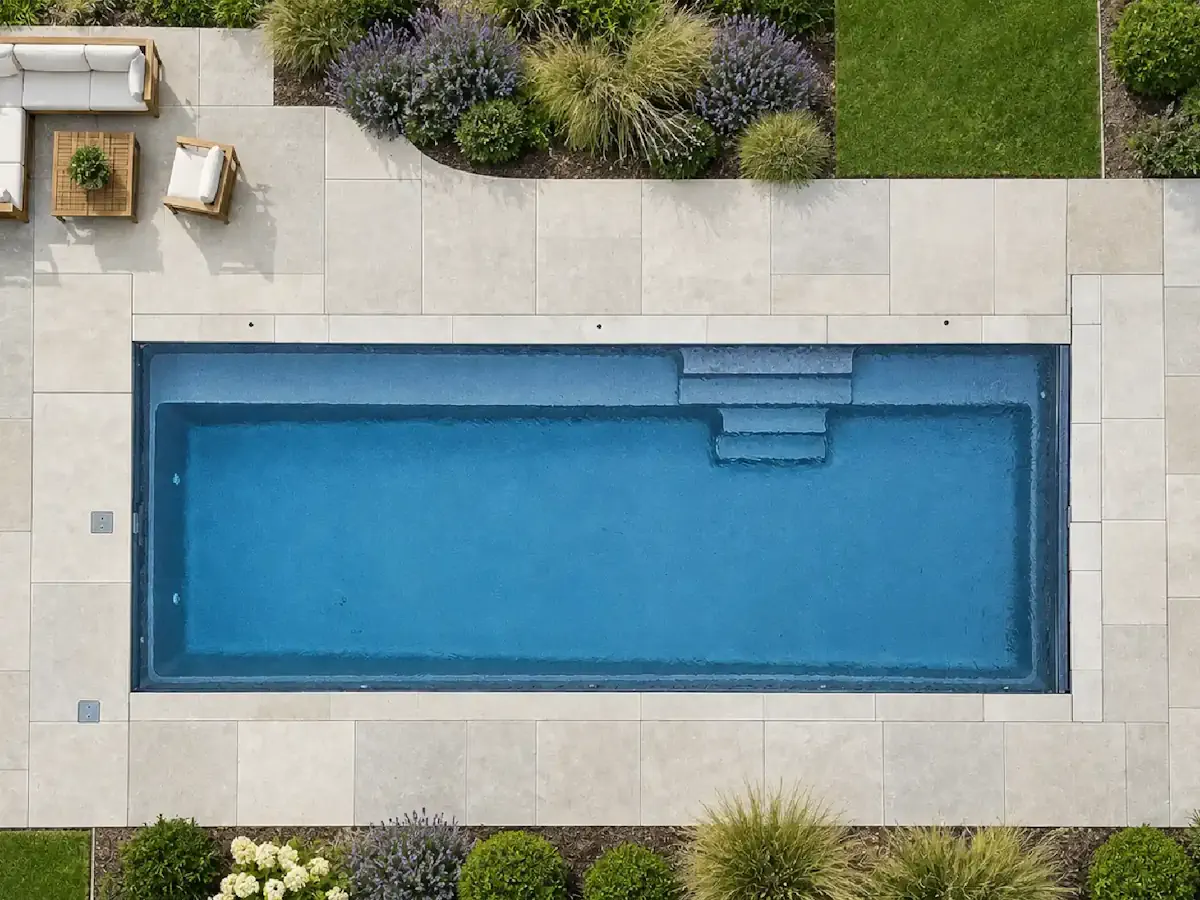
understanding your pool investment in illinois
Additional project elements:
- Deck materials: Concrete, pavers or stone at different investment levels
- Safety barriers: Illinois-required fencing with self-closing, self-latching gate systems
- Equipment selections: Heaters for season extension, automatic covers, lighting and automation
- Landscaping: Completing your outdoor environment
The 20-year perspective: Concrete resurfacing every 10 to 15 years costs $10,000 to $15,000 per occurrence. In Illinois’ demanding clay soil and freeze-thaw environment, concrete may also require structural repairs beyond standard resurfacing. Fiberglass never needs resurfacing, and lower chemical requirements create additional savings that compound over time.
pool permits and regulations across illinois
Illinois requires building permits for all residential pool construction, with requirements varying by municipality.
Standard requirements across Illinois include:
- Building permits from local building departments
- Electrical permits covering pumps, heating systems and lighting
- Barrier compliance (Illinois requires fencing with self-closing, self-latching gates)
- Setback compliance (required distances from property lines and structures)
- Possible HOA approval in many Illinois communities
Chicago, Naperville, Aurora and Rockford maintain detailed requirements and longer review timelines. Smaller communities tend toward more straightforward processes. Your EvoPools dealer should manage the complete permitting process as standard service. Confirm this before signing contracts.
why illinois homeowners choose evopools
Here’s what Illinois pool owners consistently value most:
Four-season performance that actually delivers: Illinois winters and clay soil create real challenges for concrete pools. Engineering designed specifically to handle those conditions makes a genuine difference you notice more with every passing season.
Making the most of a limited season: Illinois summers are worth every week. A pool that’s ready when the season arrives and stays in great condition throughout matters more here than in warmer states with nine-month swimming seasons.
Less maintenance, more swimming: The smooth surface that resists algae naturally means less time on chemical management and more time actually in the water during Illinois’ limited warm months.
Creating the gathering place: A pool makes your home the natural destination for family and friends throughout Illinois’ outdoor season.
Protecting property value: Quality pools enhance home value in Illinois’ competitive real estate markets where outdoor amenities matter to buyers.
frequently asked questions about evopools in illinois
ready to build your illinois pool?
Illinois’ four-season climate with genuine winters, clay soil and Lake Michigan weather deserves a pool engineered to handle all of it. EvoPools delivers vinyl ester resin construction throughout the entire shell and proven performance through demanding Prairie State conditions.
The result is a pool that costs less to maintain, holds up longer and delivers more reliable enjoyment than concrete alternatives struggling with Illinois’ seasonal demands.
Connect with a certified EvoPools dealer who understands Illinois’ soil conditions, regional climate and local building requirements.
Next steps:
Explore pool designs: Browse EvoPools’ complete collection for designs suited to Illinois properties from Chicago suburban installations to central prairie and southern Illinois settings.
Understand your investment: Connect with a certified EvoPools dealer for accurate cost guidance based on your specific property, location and design preferences.
Start planning: Speak with a local Illinois expert who understands your region’s soil, climate and permitting requirements.
Contact a local EvoPools dealer today to begin planning your Illinois pool.


